What Return To Play Really Means For Athletes
For athletes, being injured is frustrating. It is not just about pain or discomfort. It is about missing training, losing rhythm, sitting out during important moments and feeling disconnected from your sport.
That is why the idea of “return to play” matters so much.
Return to play is the moment when an athlete can safely return to training or competition after an injury. But it should never be rushed. The goal is not just to come back quickly. The goal is to come back ready.
Why Return To Play Is More Than A Date
Many athletes want one clear answer: “When can I train again?”
But recovery is not always that simple. A safe return depends on several factors, including pain levels, mobility, strength, swelling, confidence and the type of sport you play.
Returning too early may increase the risk of setbacks. Waiting too long can affect confidence and conditioning. That is why return to play is about balance.
A smart recovery plan should focus on:
- Reducing discomfort
- Regaining movement
- Building strength back gradually
- Restoring confidence
- Following guidance from trainers or professionals
- Listening to the body
Where Recovery Tools Can Help
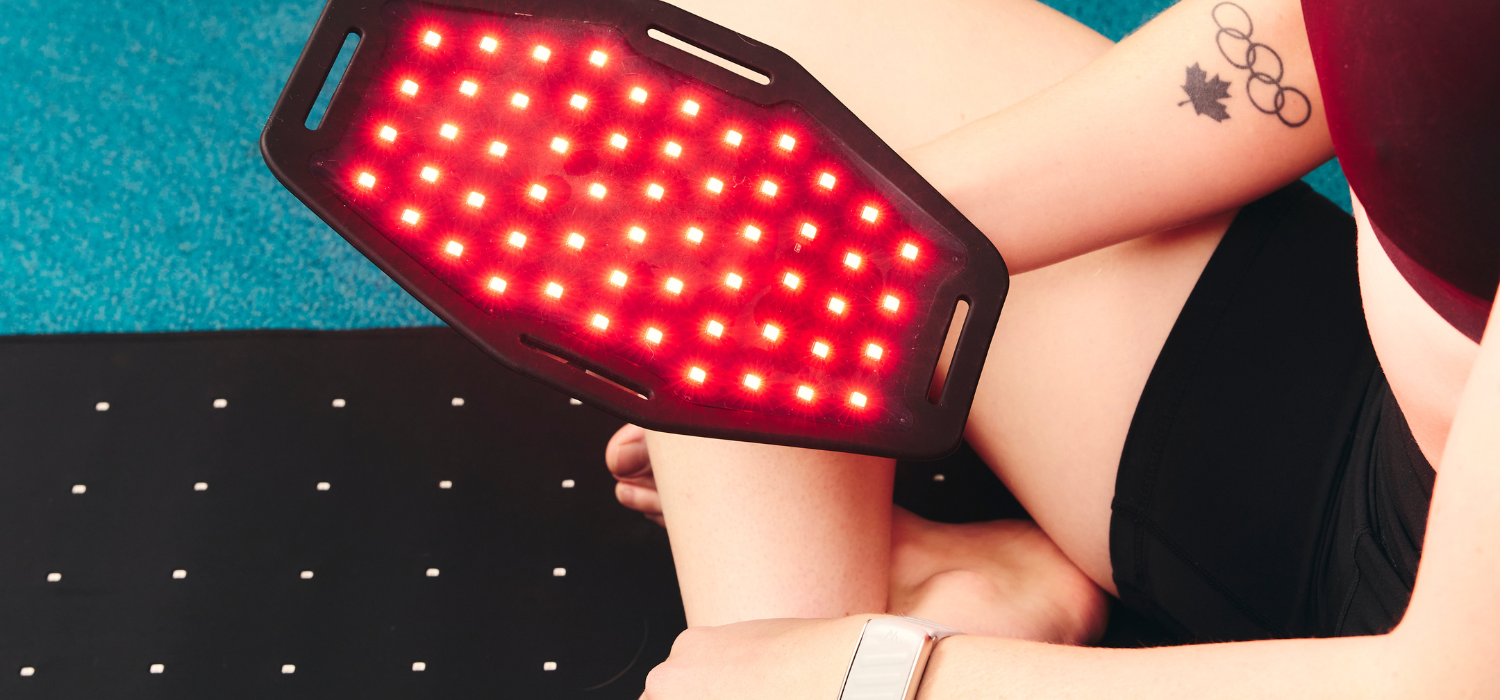
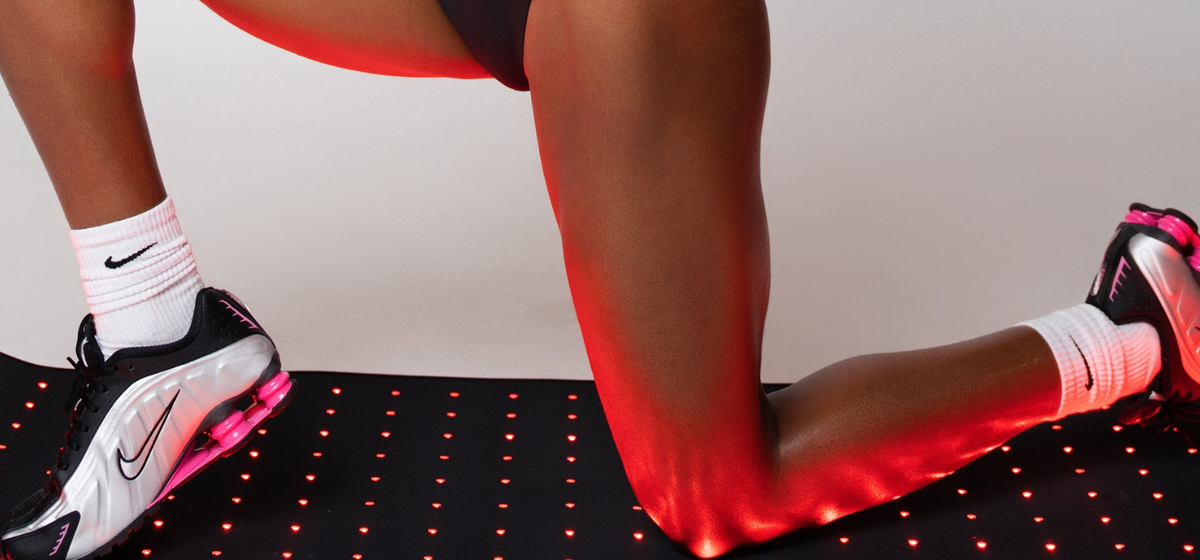
Recovery tools can support the process, especially when they are used consistently and alongside proper care. Red light therapy is one tool that has gained attention in sports environments because it is non-invasive, easy to use and can be added to existing recovery routines.
Some research has explored the use of near-infrared LED therapy in injured athletes. In one pilot study with university athletes, athletes receiving 830 nm LED therapy returned to play sooner on average than the expected return-to-play timeline based on conventional estimates. However, the study also had limitations, including no control group, meaning more research is needed.
That is important to understand. Red light therapy should not be presented as a magic fix. It is a supportive recovery tool, not a replacement for medical advice, rehabilitation or proper training decisions.
Building A Smarter Recovery Mindset
The best athletes do not only train hard. They recover with intention.
That means taking small recovery steps seriously:
- Use recovery tools consistently
- Follow professional advice
- Do not ignore pain
- Focus on gradual progress
- Prioritise sleep and nutrition
- Track how your body responds
- Recovery is not passive. It is an active part of athletic performance.
The Skinletics Approach
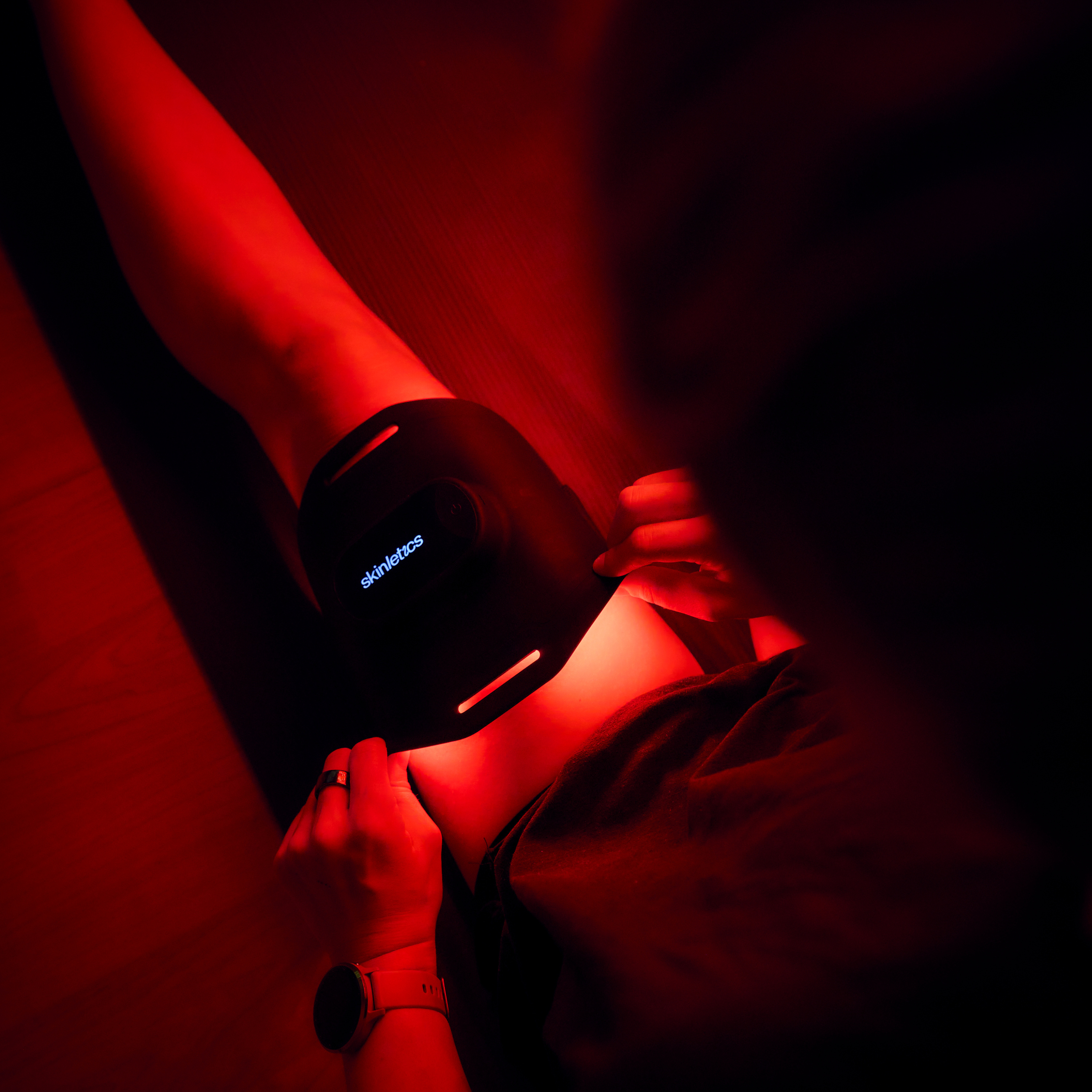
At Skinletics, recovery is built around the athlete’s routine. The goal is to make recovery tools that are easy to use before training, after practice or during rest moments.
Because athletes do not need more complicated routines. They need tools that fit into the way they already train, travel and recover, just like the led light recovery patch.
Return to play is not just about getting back.
It is about getting back stronger, smarter and ready for what comes next.