Recovery Starts Before You Feel Sore
Most athletes know the feeling. You finish a hard session, feel fine for a few hours, and then the next day your body reminds you exactly what you did.
Soreness, stiffness and tired muscles are often seen as signs of hard work. But waiting until your body feels sore before thinking about recovery is not always the smartest approach.
For athletes, recovery should not be an emergency response. It should be part of the routine.
Why Athletes Should Think Ahead
Training creates stress on the body. That stress is necessary for progress, but it also means your muscles, joints and energy systems need time and support to adapt.
If recovery only starts after discomfort appears, you are already reacting. A more effective approach is to build recovery moments into your day before fatigue builds up too much.
This can include:
- Proper sleep
- Hydration
- Mobility work
- Rest days
- Stretching
- Nutrition
- Red light therapy
- A consistent cool-down
The goal is not to do every recovery method at once. The goal is to create a routine that fits your body, sport and schedule.
The Role Of Red Light Therapy In Recovery
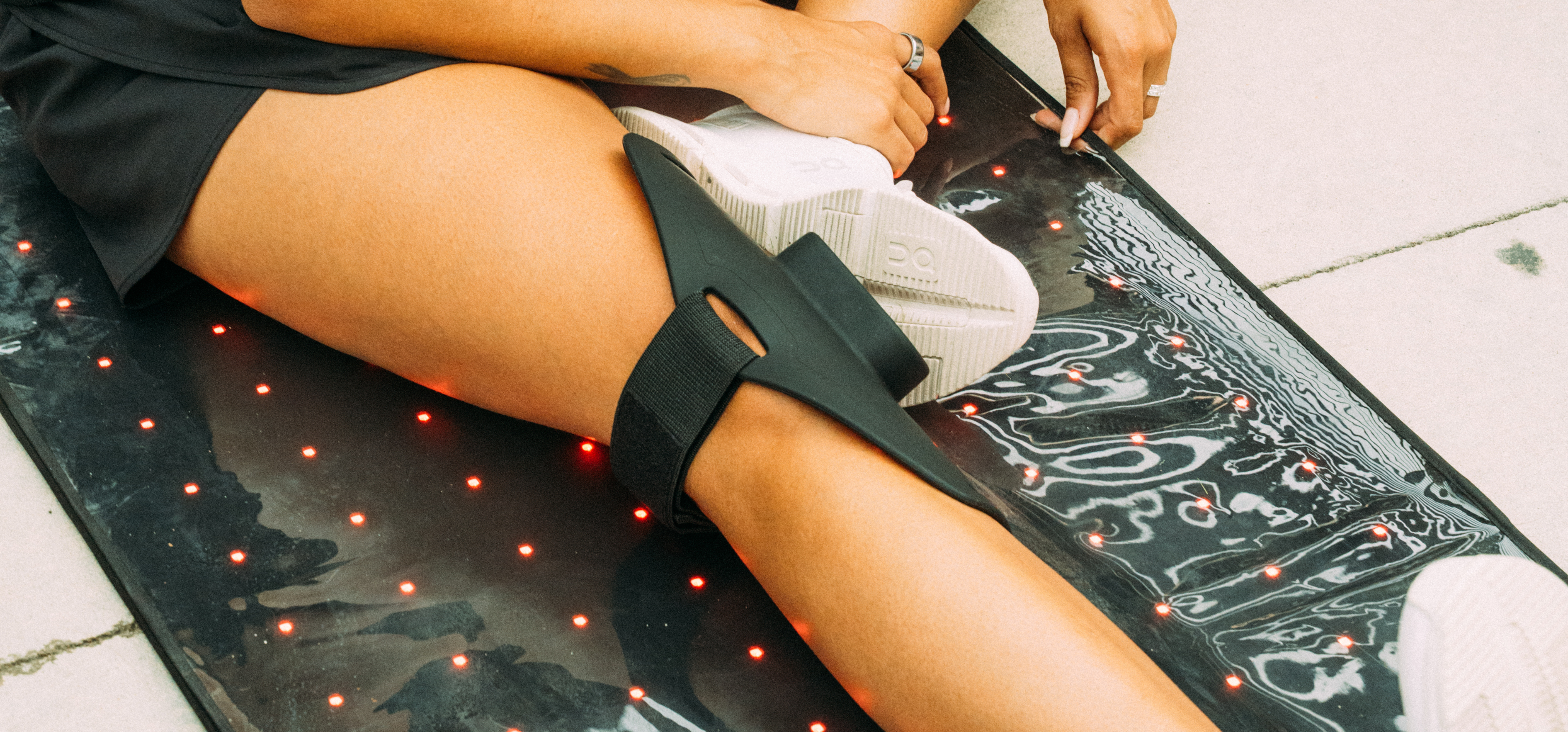
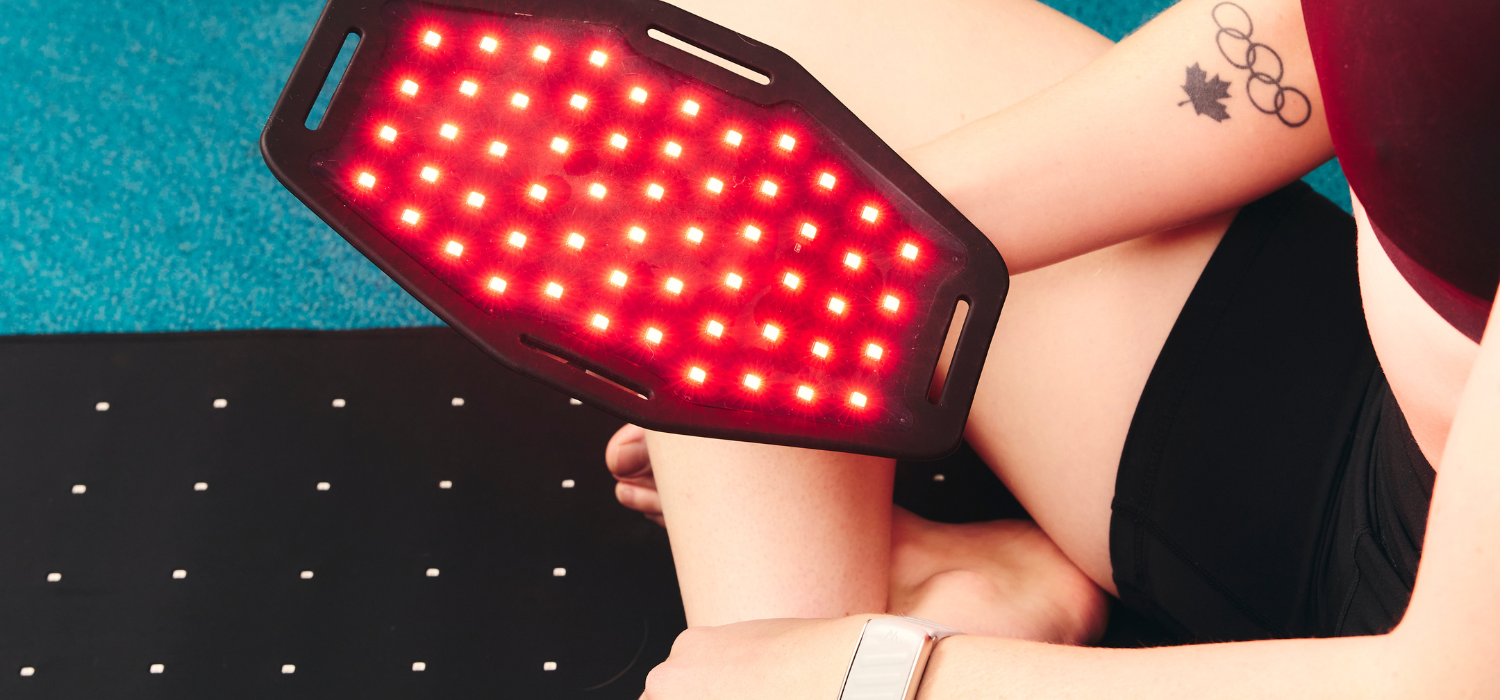
Red light therapy is used by athletes as a gentle, non-invasive recovery tool. It works with red and near-infrared light and is often used on targeted areas such as the legs, back, shoulders or arms.
In sports recovery, red light therapy is commonly explored for muscle fatigue, post-training recovery and physical performance support. Research into photobiomodulation suggests that it may support processes related to cellular energy and tissue recovery.
For athletes, this makes it especially interesting after demanding sessions, during busy training weeks or when certain muscle groups are being used repeatedly.
A Daily Recovery Routine
A recovery routine does not need to be complicated. In fact, the best routines are usually the ones athletes can actually stick to.
Here is an example of a simple post-training routine:
- Cool down for 5 to 10 minutes
- Hydrate and refuel
- Use red light therapy on the muscles you trained
- Do light mobility or stretching
- Prioritise sleep that night
This type of routine helps recovery feel more intentional. Instead of waiting for soreness, you are giving your body consistent support.
Recovery Is Part Of Performance
Athletes often focus on the visible work: the reps, the runs, the lifts, the drills. But the work that happens between sessions matters just as much.
Recovery is where the body adapts. It is where consistency is built. It is what allows athletes to show up again tomorrow.
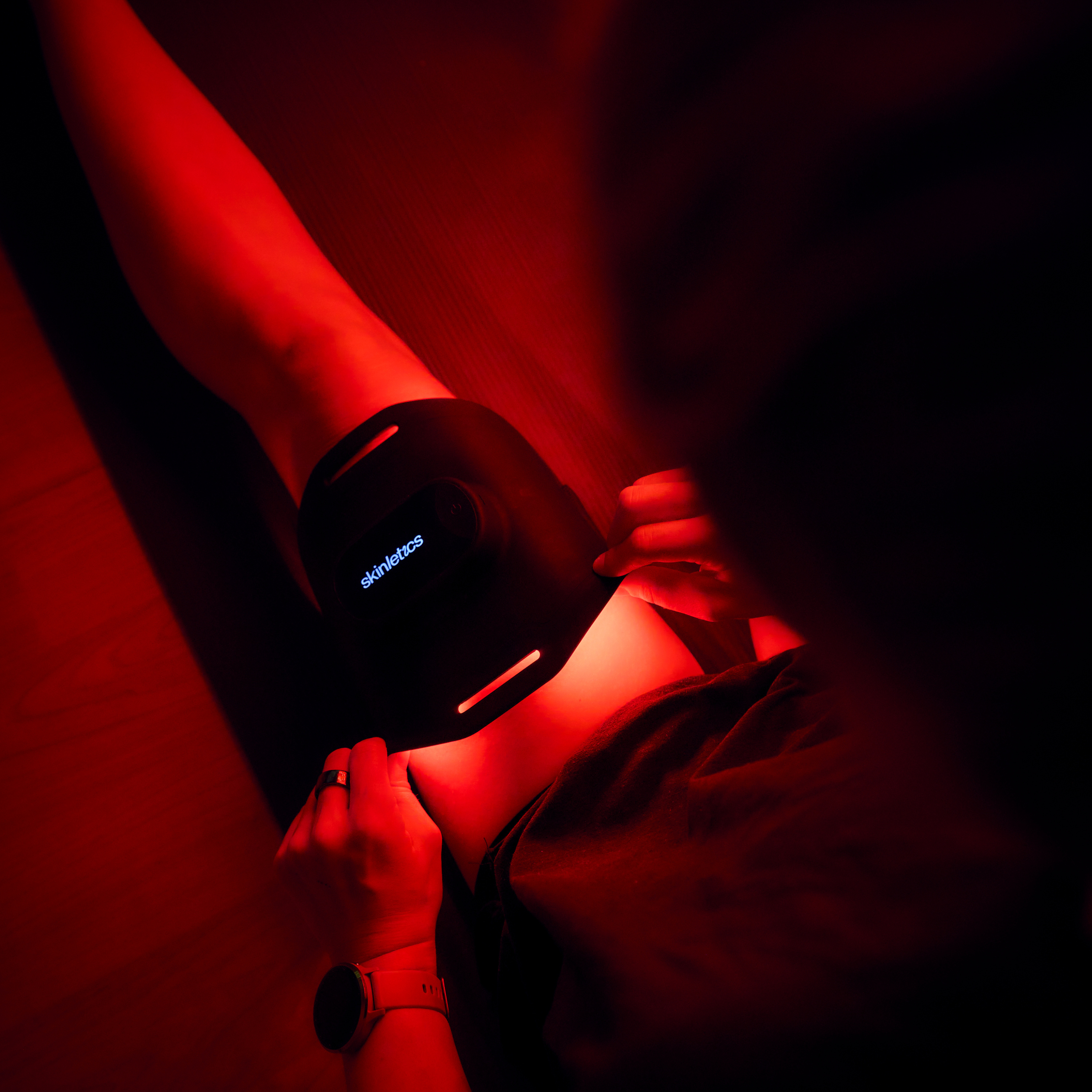
The red light recovery patch can be one part of that bigger picture. Not as a replacement for the basics, but as a tool that helps athletes take recovery seriously.
Because the best time to recover is not when your body is already asking for it.
It starts before that.