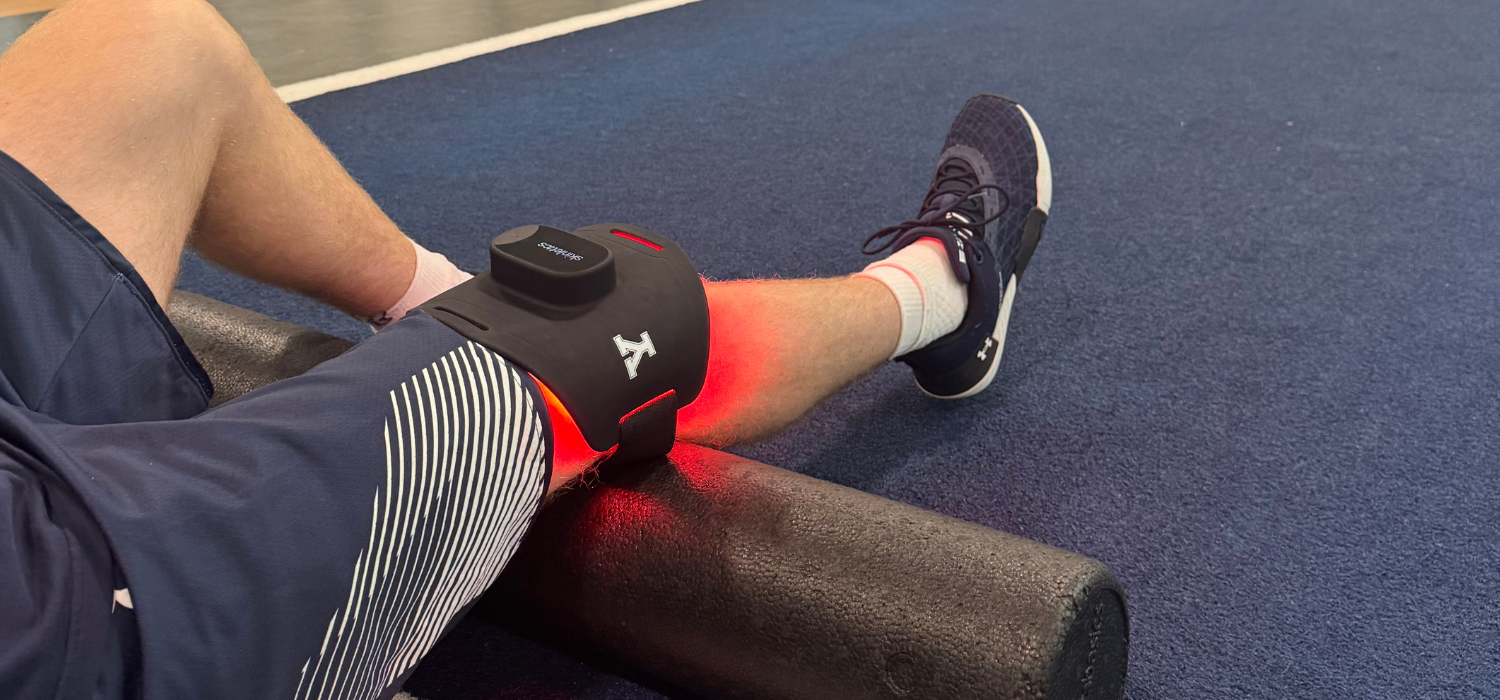
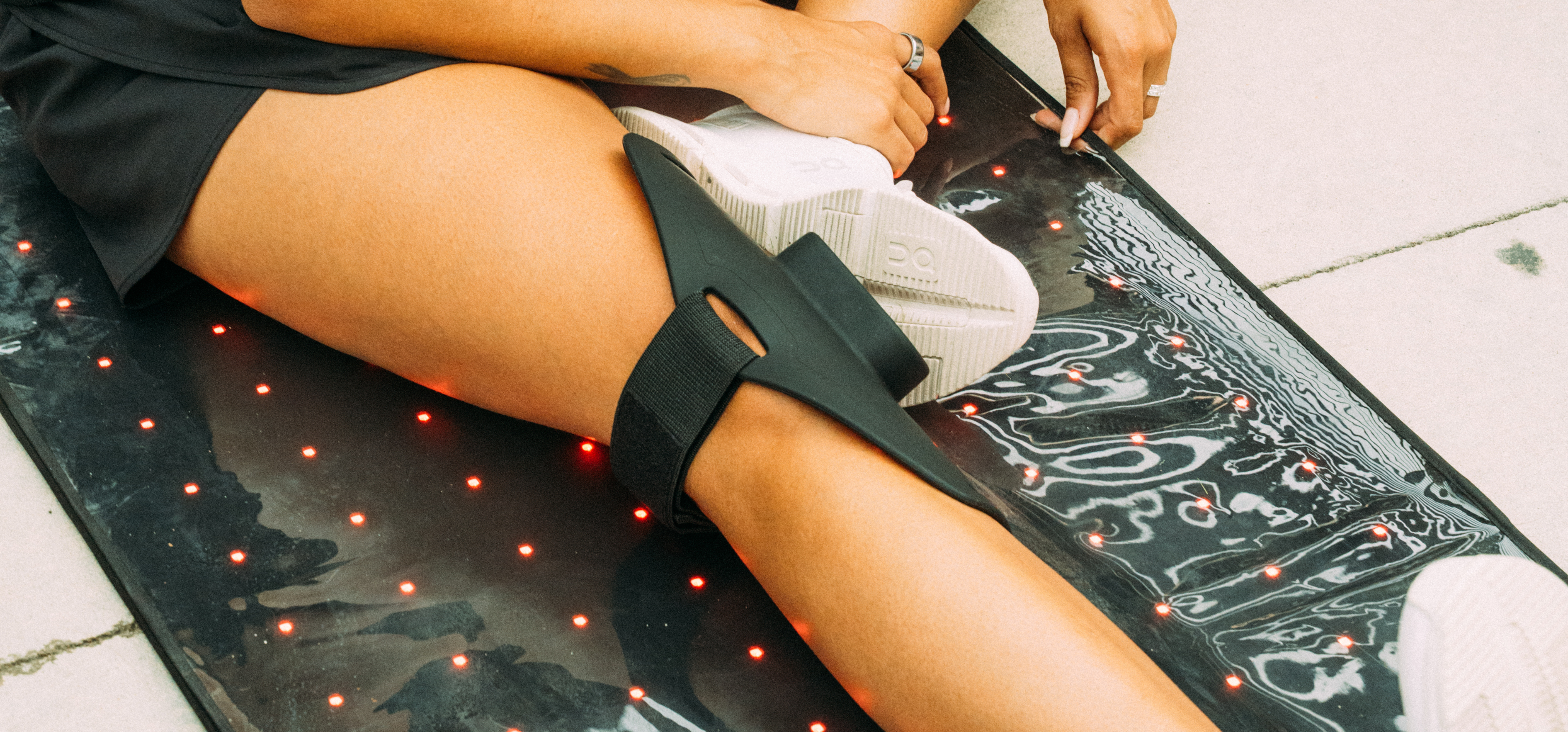
The Science Behind Tension Relief After Using LED.
Red LED Light Therapy for Tension Relief: What Research Says
Muscle tension can affect more than just your workouts. It can show up in your face, jaw, neck, shoulders and body after stress, long days, intense training or poor recovery.
For active people, recovery is often focused on muscles like the legs, back or arms. But tension can build up in smaller muscle groups too, especially when stress, posture and physical activity come together.
That is one reason why red LED light therapy is becoming more popular as a gentle, non-invasive recovery tool.
What Is Red LED Light Therapy?
Red LED light therapy uses visible red light to support the body and skin.
It is often used in wellness and recovery routines because it is:
- Non-invasive
- Painless
- Easy to use
- Gentle on the skin
- Suitable for at-home routines
- Often used to support relaxation and recovery
Unlike laser treatments, LED therapy is usually lower in intensity and can cover a wider treatment area.
Why Muscle Tension Matters
Muscle tension can be caused by many things.
Common triggers include:
- Stress
- Poor posture
- Intense training
- Lack of sleep
- Repetitive movement
- Long work or study days
- Jaw clenching
- Not enough recovery time
When muscles stay tense, they can feel sore, tired or uncomfortable. That is why recovery tools that support relaxation and circulation are becoming more relevant in modern wellness routines.
What Does Research Say?
A 2023 randomized controlled trial compared red LED light therapy with low-level laser therapy for pain reduction in patients with temporomandibular disorders, also known as TMD. TMD is a condition that can involve pain in the jaw joint and chewing muscles.
The study included 60 patients divided into three groups: a placebo group, a red LED light therapy group and a low-level laser therapy group. The red LED group received treatment for 5 minutes on tender muscle areas, while the laser group received treatment for 30 seconds.
The results showed that both red LED light therapy and laser therapy significantly improved pain scores by the third and fourth visits compared with the placebo group. The study also found no significant difference between the LED and laser groups in pain improvement.
In simple terms: red LED light therapy performed similarly to low-level laser therapy for pain relief in this study.
Why This Is Interesting
This research is interesting because laser therapy is often considered a professional treatment option, while LED therapy is generally more accessible, less expensive and easier to use.
The researchers also noted that red LED light has advantages such as biosafety, lower cost and non-invasive use compared with laser therapy.
That makes LED light therapy an interesting option for people who want to add a gentle recovery step to their routine.
How Red LED Light May Support Relaxation
Red LED light therapy is believed to work by interacting with the tissues where the light is applied.
Research suggests it may help support:
- Local circulation
- Muscle relaxation
- Recovery processes
- Reduction of discomfort
- A soothing wellness routine
In the TMD study, the authors explained that light therapies may support the affected area by increasing blood supply, helping to clear inflammatory mediators and relaxing smooth muscles.
LED Therapy vs. Laser Therapy
LED therapy and laser therapy are both forms of light therapy, but they are not the same.
LED therapy
- Usually gentler
- Covers a wider area
- Often more affordable
- Easier for at-home use
- Often used in wellness routines
Laser therapy
- More focused light beam
- Often used in clinical settings
- Usually requires more precautions
- Can be more expensive
- Often applied by professionals
The study concluded that both red LED light and laser therapy could relieve TMD-related pain, but LED light may be preferred because of its biosafety, lower cost and non-invasive quality.
How Active People Can Use LED Therapy
For athletes and active people, LED therapy can be part of a broader recovery lifestyle.
You can use LED light therapy:
- After training
- During rest days
- In the evening
- After long work or study days
- As part of a calming routine
- Alongside skincare and recovery habits
It should not replace medical advice or treatment, but it can be a useful supportive tool within a consistent wellness routine.
The Skinletics Light Therapy Solution
The Light Therapy Pro Face Mask by Skinletics is designed for people who want to combine skincare, wellness and recovery in one simple routine.
With Skinletics, you can:
- Add red LED light therapy to your routine
- Support skin recovery
- Create a calming at-home ritual
- Make recovery part of your lifestyle
- Support your active routine in a simple way
Want to learn more about LED light therapy for younger-looking skin? Read our blog about how LED light therapy helps your skin look and feel younger.
Simple Tips for Reducing Tension
LED light therapy can be part of a bigger recovery routine.
Try combining it with:
- Enough sleep
- Hydration
- Gentle stretching
- Breathing exercises
- Reducing screen time before bed
- Regular rest days
- A consistent evening routine
Small recovery habits can help your body and mind feel more balanced.
Ready to Add LED Therapy to Your Routine?
Red LED light therapy is becoming more popular for a reason. It is gentle, non-invasive and easy to fit into a busy lifestyle.
Whether you want to support your skin, create a calming routine or take recovery more seriously, LED therapy can be a smart addition to your wellness habits.
👉 Explore the Light Therapy Pro Face Mask and discover how LED light therapy can fit into your daily routine.
Relax deeper. Recover smarter. Feel better.