Red Light Therapy Before Training: Can It Help With Muscle Fatigue?
Muscle fatigue is part of every serious training routine. Whether you are lifting, sprinting, jumping or pushing through a long practice, your muscles eventually reach a point where they can no longer perform at the same level.
For athletes, the goal is not to avoid fatigue completely. Fatigue is often part of progress. The real focus is learning how to manage it, recover from it and support the body before performance starts to drop.
That is where red light therapy is becoming an interesting part of modern recovery routines.
What Is Muscle Fatigue?
Muscle fatigue happens when your muscles temporarily lose their ability to produce the same amount of force or power. This can happen during high-intensity training, repeated movements, heavy resistance work or long sessions with short rest periods.
You may notice it as:
- A drop in strength
- Slower movement
- Heavier-feeling muscles
- Reduced endurance
- Loss of control or sharpness
- Longer recovery after training
For athletes, this matters because fatigue can influence performance, technique and consistency. When your body is tired, it is harder to train with the same quality.
Where Red Light Therapy Comes In:
Red light therapy, also known as photobiomodulation, uses red and near-infrared light to interact with the body’s cells. In sports and recovery settings, it is often used as a non-invasive tool to support muscle function and recovery routines.
Research suggests that red and near-infrared light may help support cellular energy processes, which are important during and after physical activity. Some studies have explored the use of light therapy before exercise and found that it may help improve muscle endurance and reduce signs of fatigue in certain training settings.
This does not mean red light therapy replaces warm-ups, sleep, nutrition or proper programming. Instead, it can be seen as an extra recovery tool that fits into a wider performance routine.
Why Timing Matters
Many athletes think about recovery only after training. But recovery can also start before the session begins.
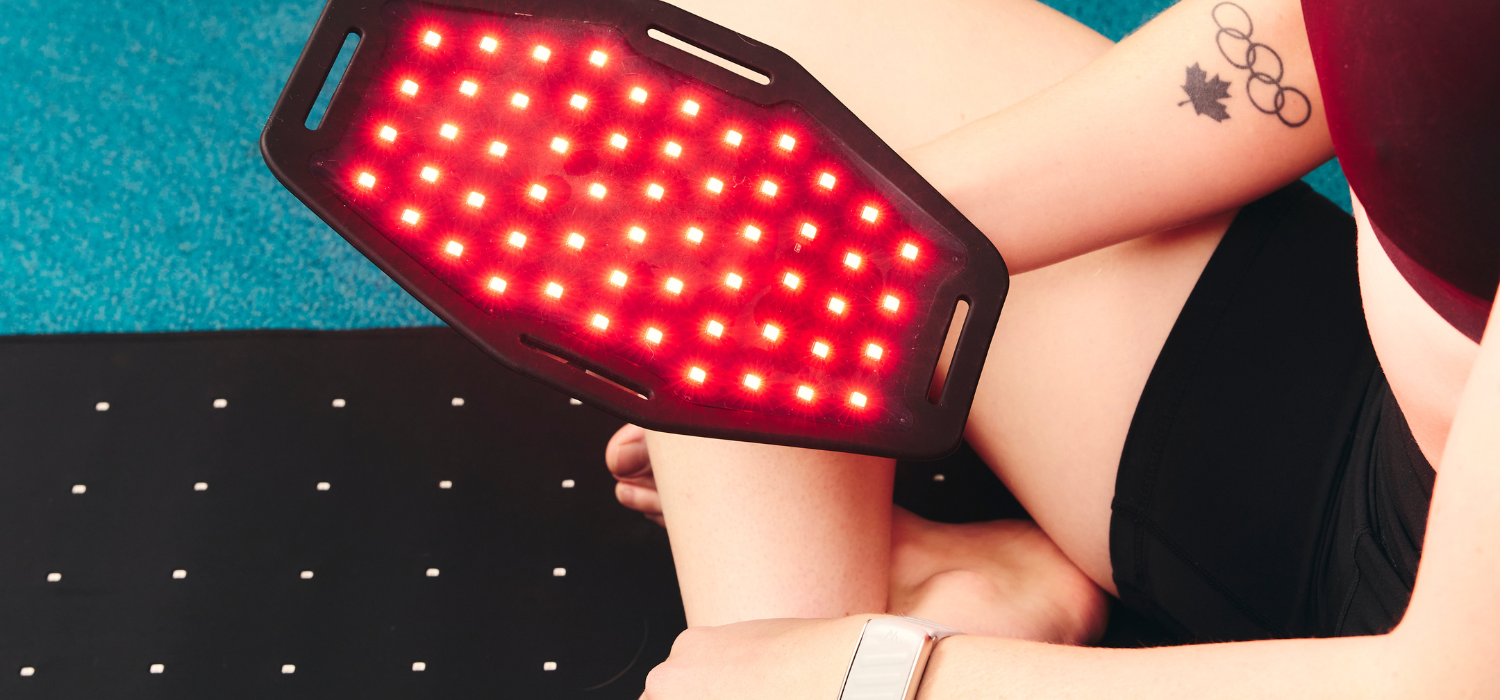
Using red light therapy before training may help prepare targeted muscle areas for physical effort. This makes it especially interesting for athletes who are about to train the same muscle groups repeatedly, such as legs before sprint work, arms before upper-body training or shoulders before throwing sessions.
A simple pre-training routine could look like this:
- Warm up properly
- Use red light therapy on the target area
- Start the session with controlled movement
- Train with focus on technique and intensity
- Follow up with post-training recovery
The key is consistency. Recovery works best when it becomes part of a routine instead of something you only think about when soreness already hits.
A Smarter Way To Train Hard
Athletes are constantly balancing performance and recovery. Training hard is important, but supporting the body between sessions is what helps athletes stay consistent.
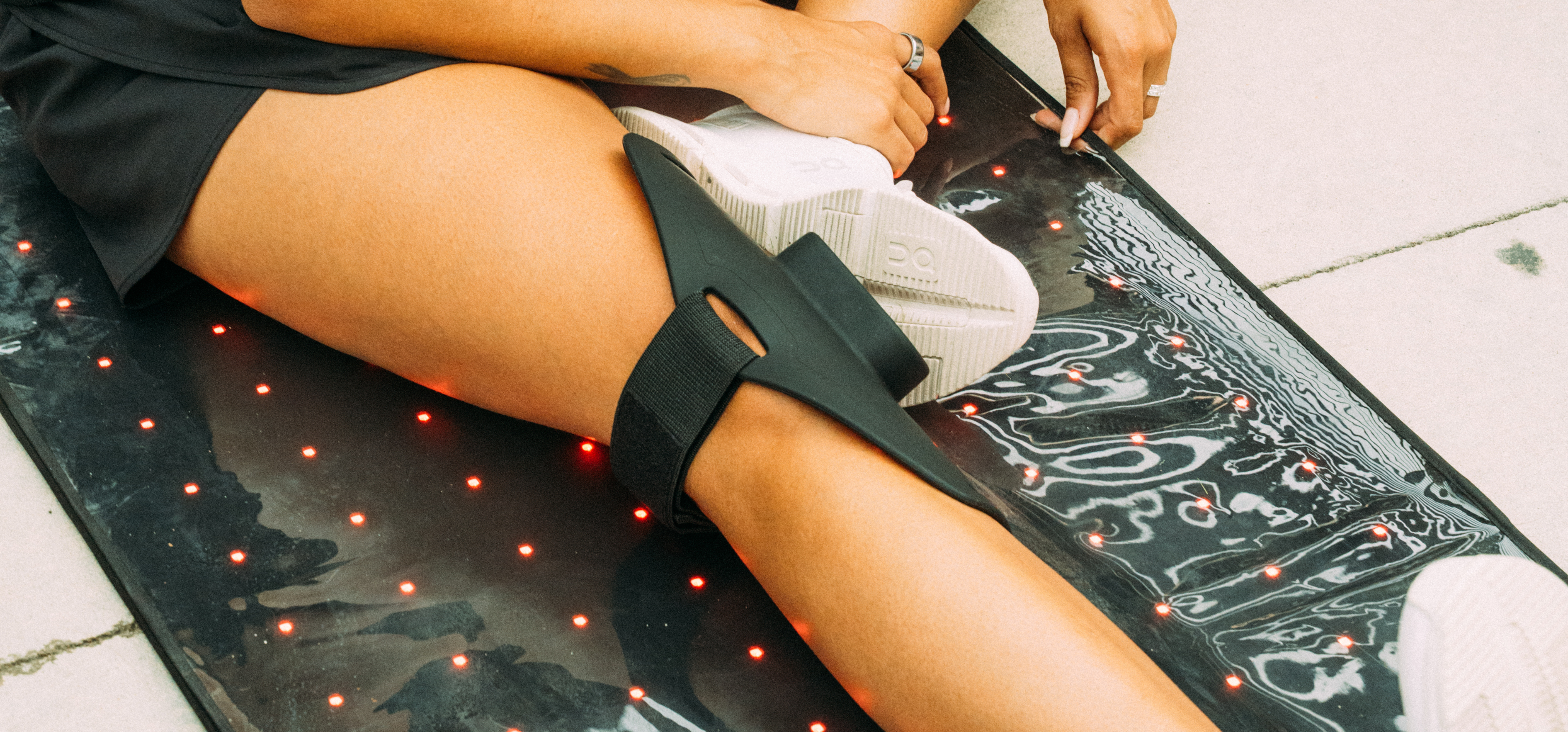
Red light therapy may be useful for athletes who want to build a more complete recovery routine around muscle fatigue, preparation and performance. It is not a shortcut, but it can be a smart addition to the work you are already doing, for example with the led light yoga mat.
Because better recovery is not just about doing less. It is about giving your body the right support, at the right time.