Red Light Therapy for Runners: Supporting Tired Legs and Sore Muscles
Running is one of the most repetitive sports there is. Every stride sends force through your feet, calves, quads and hips, over and over, mile after mile.
That repetition is what builds endurance. It is also what leaves your legs feeling heavy, tight and sore, especially after long runs or a jump in training volume.
For runners looking to support recovery between sessions, red light therapy has become a popular tool.
The Toll Running Takes on Your Legs
Distance and speed both place demands on the lower body. Calves and quads absorb impact, hamstrings work through every stride, and the smaller stabilising muscles fatigue as your form is tested late in a run.
When recovery does not keep pace with training, that fatigue accumulates. Tired legs on the start line rarely lead to your best effort.
Where Red Light Therapy Fits In
Red light therapy uses red and near-infrared light on targeted areas. In sports recovery it is commonly explored for muscle fatigue, post-training recovery and physical performance support.
For runners, that makes it especially relevant for the legs, where most of the workload lands. Research into photobiomodulation suggests it may support processes related to cellular energy and tissue recovery.
A Simple Post-Run Recovery Routine
Recovery does not need to be complicated. A repeatable routine after your runs tends to work better than an elaborate plan:
-
Cool down with an easy walk for five to ten minutes
-
Hydrate and refuel with a balanced snack or meal
-
Use red light therapy on your calves, quads and hamstrings
-
Add light mobility or gentle stretching
-
Prioritise good sleep that night
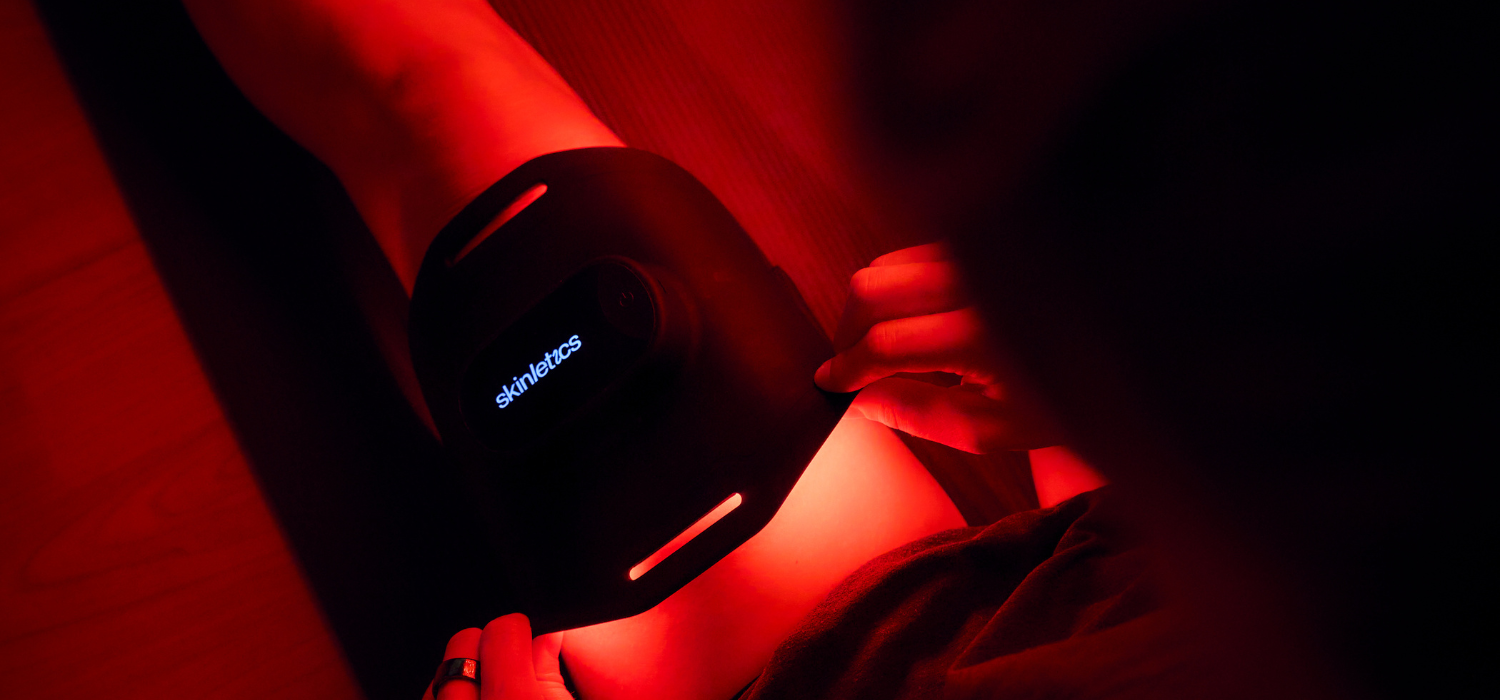
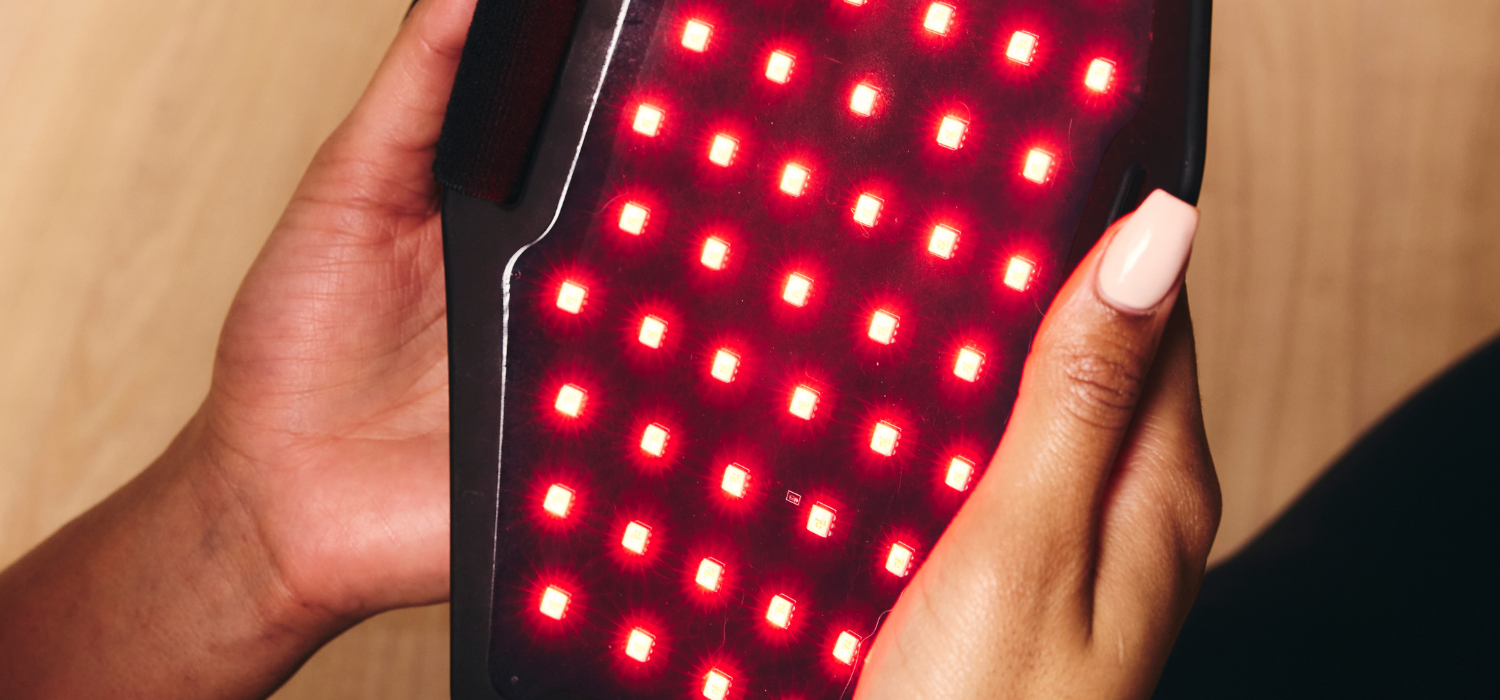
The Skinletics Light Therapy Recovery Patch is easy to place directly on a sore calf or quad, which makes it convenient for runners who want to target one area at a time. For fuller lower-body coverage, the Body Recovery Bundle treats several muscle groups at once.
Recovery for Every Mile
Whether you are training for a first 5K or chasing a marathon personal best, your legs carry the load. Giving them consistent support is part of showing up ready for the next run.
The miles build the runner. Recovery is what lets you keep running them.