Does Red Light Therapy Help With Joint Pain? What Athletes Should Know
Sore knees. Aching shoulders. Stiff hips after a long season. Joint discomfort is a familiar part of an active life, and it is one of the reasons athletes look into red light therapy.
So does it actually help with joint pain? Here is a measured look at what is known and how athletes tend to use it.
Why Joints Take a Beating in Sport
Joints sit at the meeting points of your body, where bones, tendons and ligaments all work together. Sports that involve jumping, cutting, lifting or repetitive motion place ongoing stress on these areas.
Over time, that stress can show up as stiffness, tension or discomfort around the knees, shoulders, elbows and hips.
What the Research Suggests
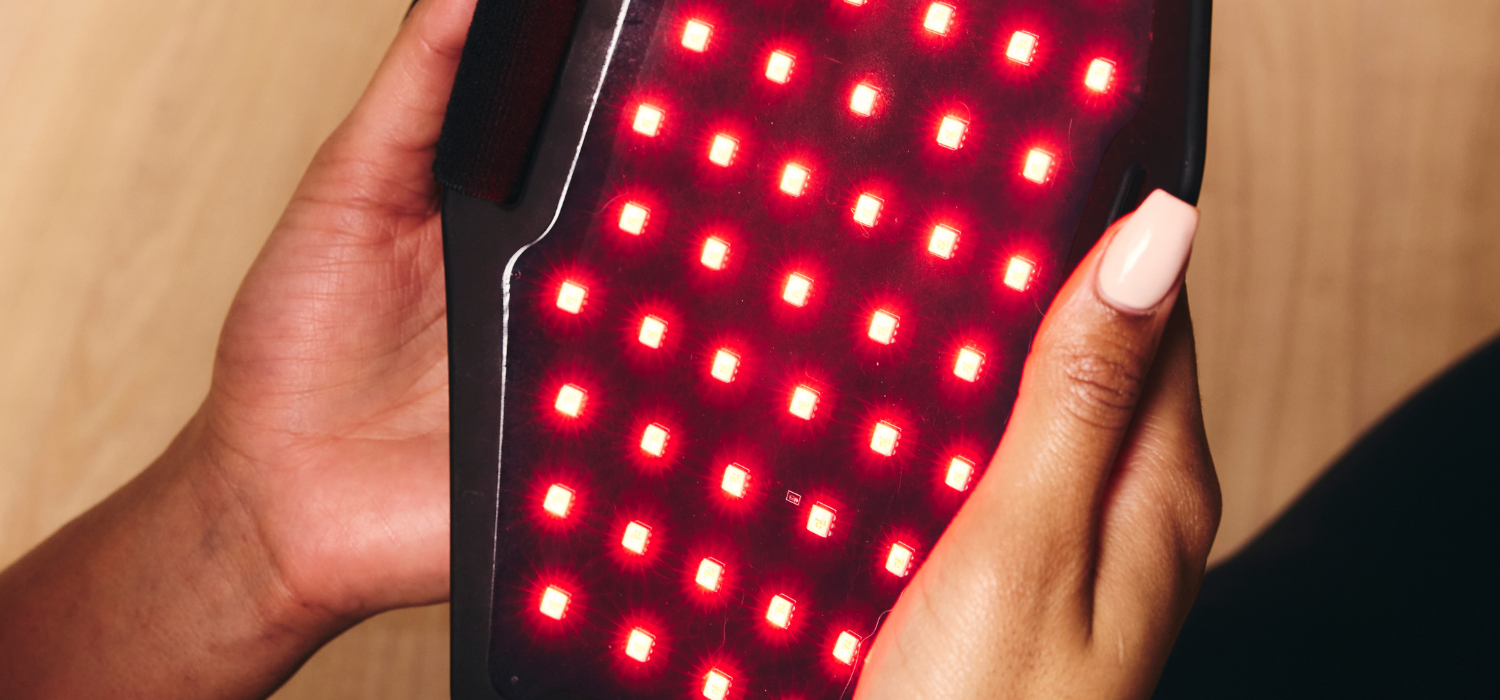
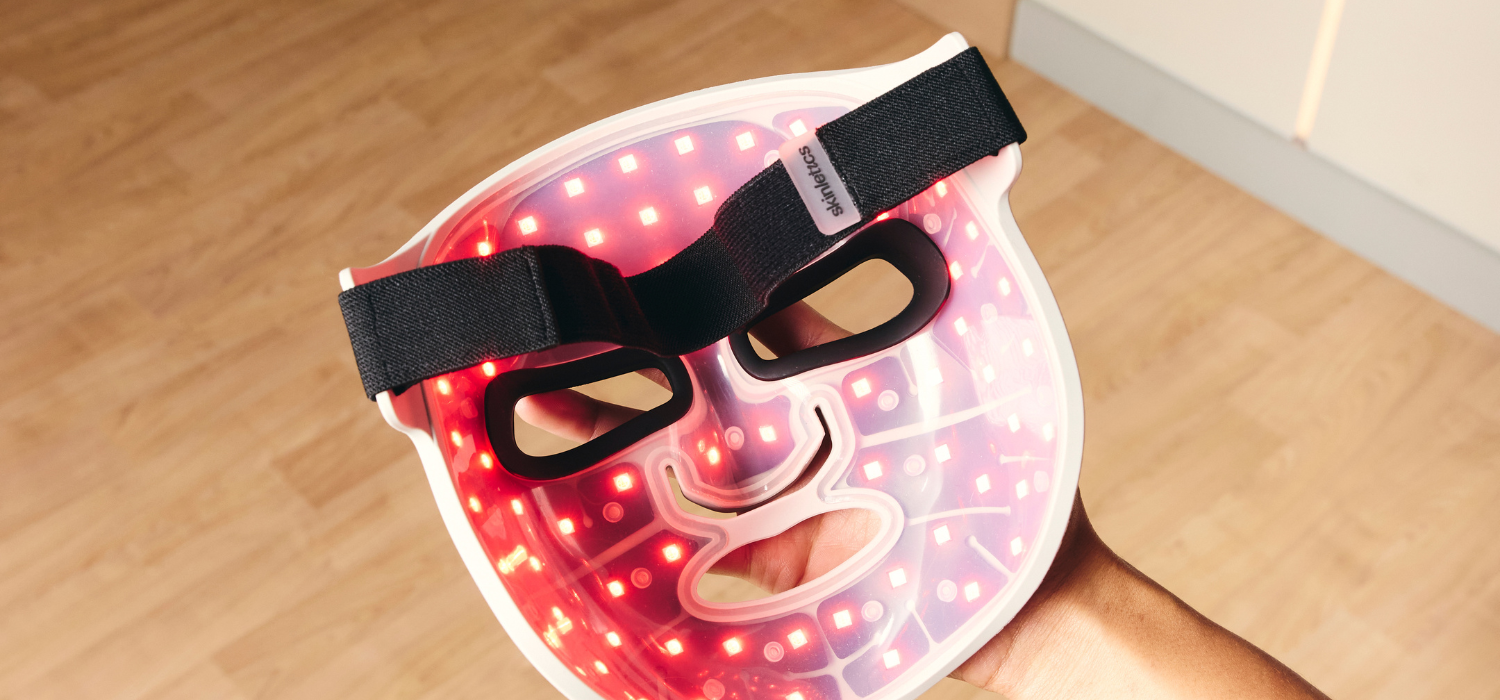
Red light therapy uses red and near-infrared light on targeted areas of the body. Research into photobiomodulation suggests it may support processes related to cellular energy and tissue recovery.
Because it is non-invasive and gentle, many athletes explore it as one part of how they manage everyday aches around their joints. It is best thought of as a supportive recovery habit rather than a treatment or cure.
How Athletes Use It on Joints
When focusing on a specific joint, athletes often keep it simple:
-
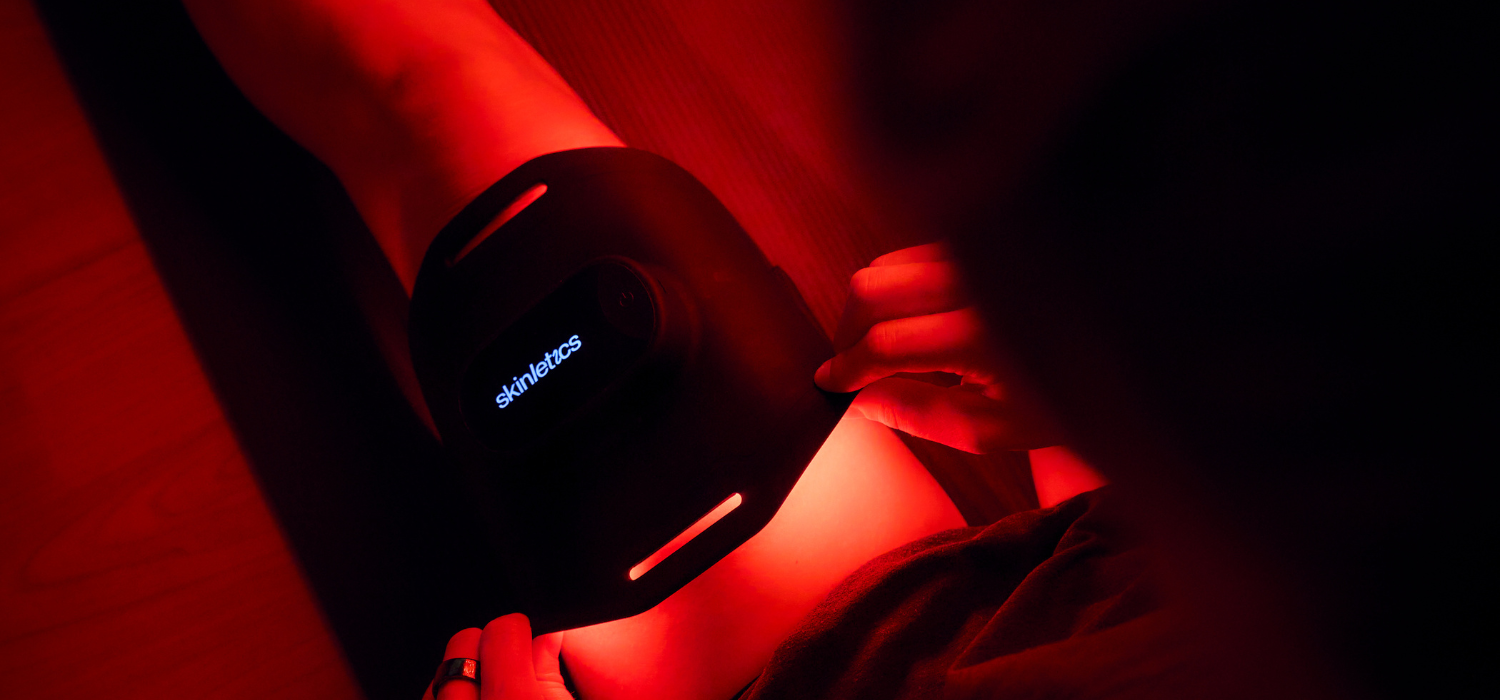
Apply the light directly over the area, such as the knee or shoulder
-
Use short, consistent sessions rather than occasional long ones
-
Combine it with mobility work and sensible training loads
-
Pay attention to how the area responds over a few weeks
The Skinletics Light Therapy Recovery Patch is well suited to this, since it can be placed right on a knee, elbow or shoulder for targeted, hands-free use.
Managing Expectations
Red light therapy is not a substitute for medical care. If you are dealing with persistent, sharp or worsening joint pain, it is important to speak with a doctor or physiotherapist to understand what is going on.
Used sensibly, though, it can be a comfortable addition to an athlete's recovery routine. Take care of your joints consistently, and they are more likely to take care of you.