How Often Should You Use Red Light Therapy? A Simple Guide for Athletes
How Long Should You Do Red Light Therapy?
Most sessions take 10 to 20 minutes, depending on the device and the area you're focusing on. Follow the recommended session time for each product:
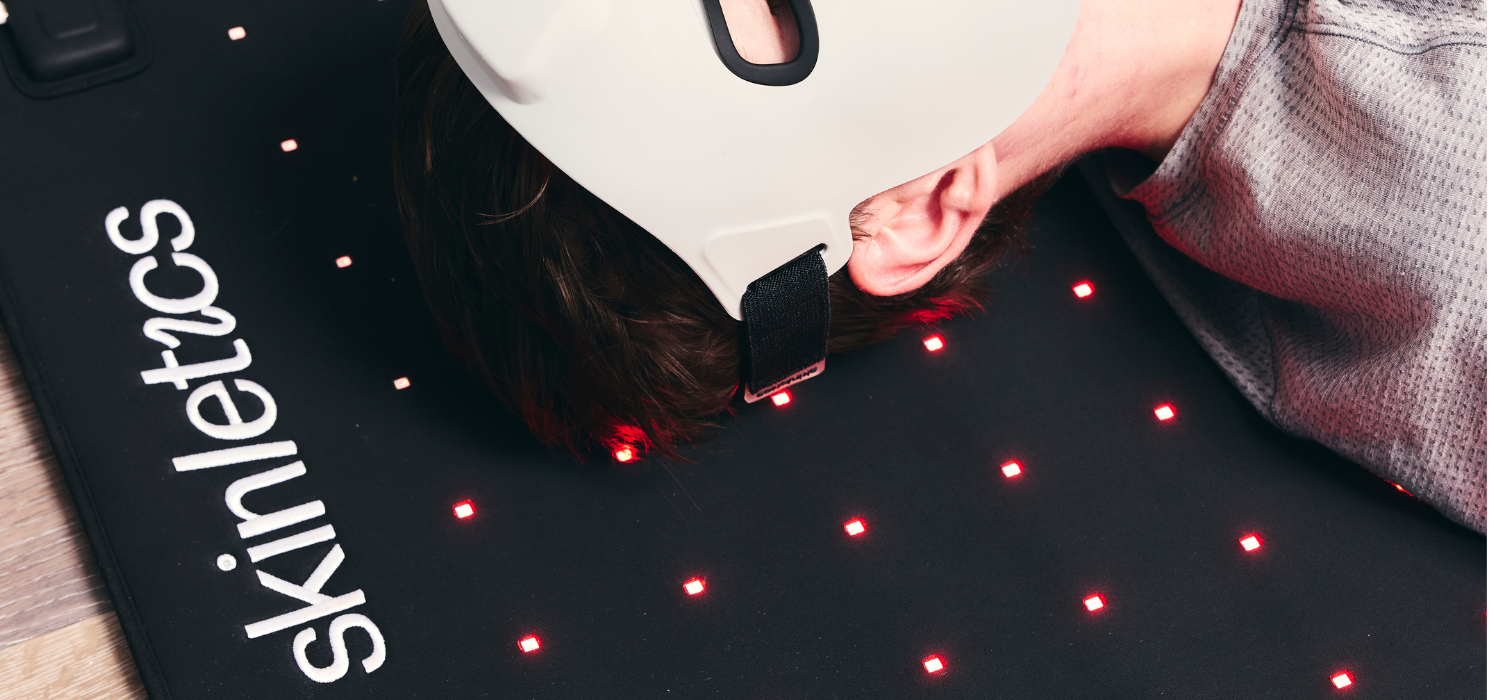
- Pro Face Mask: 10minutes per session
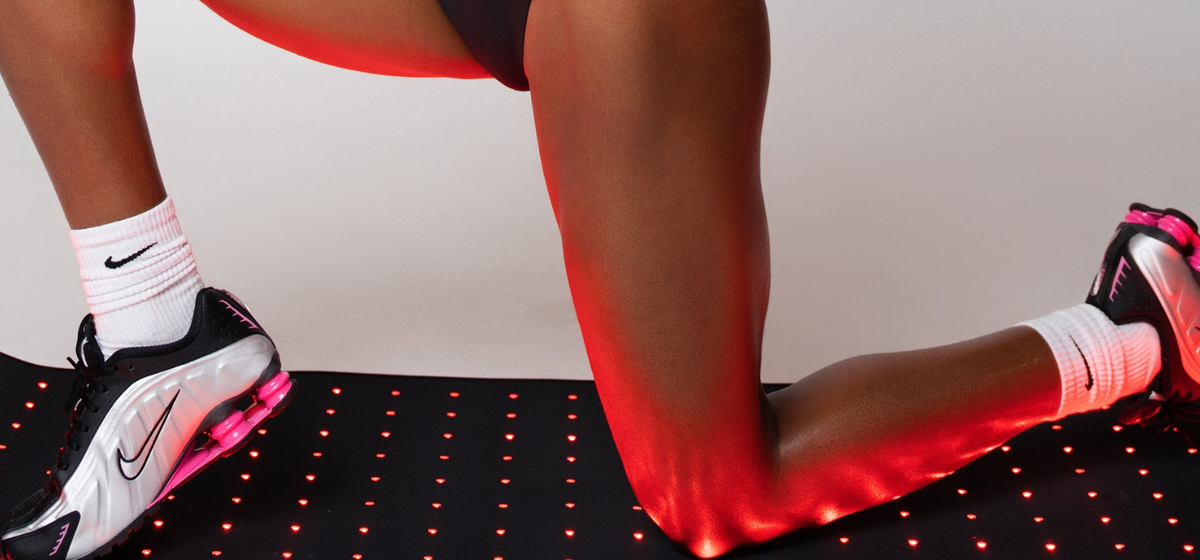
- Yoga Mat: 15-20 minutes per session
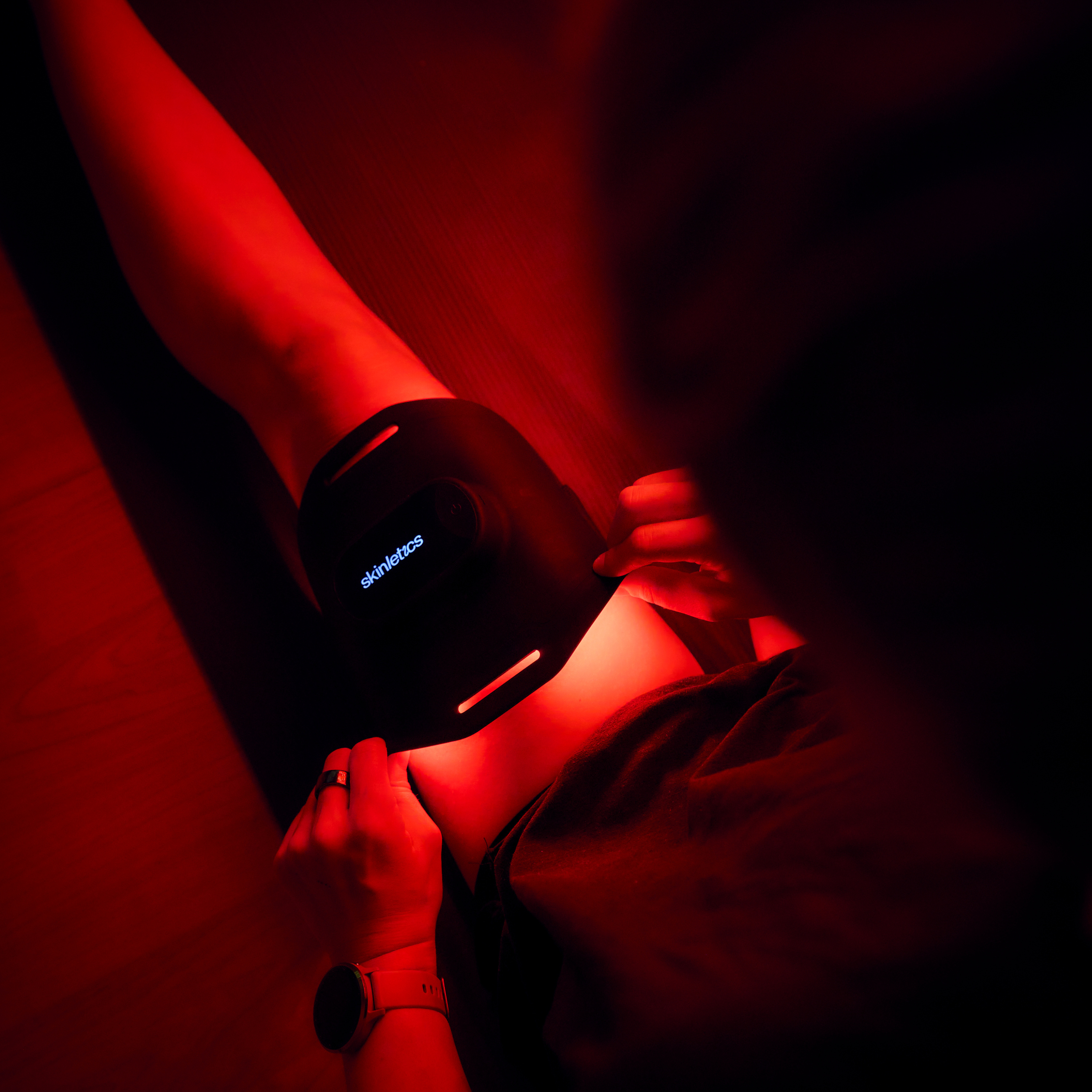
- Recovery Patch: 10 minutes per area
Longer sessions are not more effective. For the best results, focus on regular sessions over several weeks rather than longer sessions.
Can You Do Red Light Therapy Every Day?
Yes, daily use is possible for most people, as long as you stick to the recommended session time. Many people find that 3 to 5 sessions per week works well and is easier to keep up. What matters most is consistency over weeks and months, not using it as often as possible.
Why Consistency Matters More Than Intensity
Red light therapy is not a one-time fix. Like most recovery habits, its value comes from regular use over time rather than a single long session.
Research into photobiomodulation suggests that red and near-infrared light may support processes related to cellular energy and tissue recovery. Those processes respond best to steady, repeated exposure, which is why a consistent routine tends to serve athletes better than occasional marathon sessions.
A Simple Weekly Framework
Most athletes find that a rhythm like this fits well around training:
-
Three to five sessions per week for general recovery and muscle fatigue
-
Shorter, targeted sessions on the muscle groups you trained that day
-
A slightly higher frequency during heavy training blocks or competition weeks
-
Lighter use during rest weeks, when your body is already under less stress
The exact number is less important than the habit. A routine you can repeat is far more useful than an ambitious plan you abandon after a week.
Can You Overdo It?
Red light therapy is generally considered gentle and non-invasive, which is part of its appeal. Still, more is not automatically better. Using it obsessively will not speed up recovery, and it takes time away from the other basics that matter.
Think of it as one tool among several. Sleep, hydration, nutrition and sensible training loads still do the heavy lifting. Red light therapy is there to support that foundation, not replace it.
Building It Into Your Routine
The easiest way to stay consistent is to attach your sessions to something you already do:
-
Use it during your evening wind-down, alongside stretching or mobility work
-
Keep your device somewhere visible so it is easy to reach for
-
Pair it with your post-training cool-down on hard training days
How Long and How Often to Use Each Skinletics Device
Every Skinletics device is designed for a specific part of your routine, with its own session time and combination of light.
Recovery Patch
Use the Recovery Patch once a day for 10 to 20 minutes per area. It combines red and near-infrared light, so you can focus on one muscle or joint, such as your calves after a run or your shoulders after a swim session.
Yoga Mat
A session on the Yoga Mat takes 15 to 20 minutes. It combines red, near-infrared and blue light across the full length of the mat, making it easy to cover your whole body during stretching, yoga or a cool-down. Use the mat 3 to 5 times a week.
Pro Face Mask
Use the Pro Face Mask for 10 minutes, 3 to 5 times per week. The mask combines red, near-infrared and blue light, in our most advanced design for daily skincare.
There is no magic number that works for everyone. Start with a few sessions a week, pay attention to how your body responds, and adjust from there. The best frequency is the one you will actually keep.