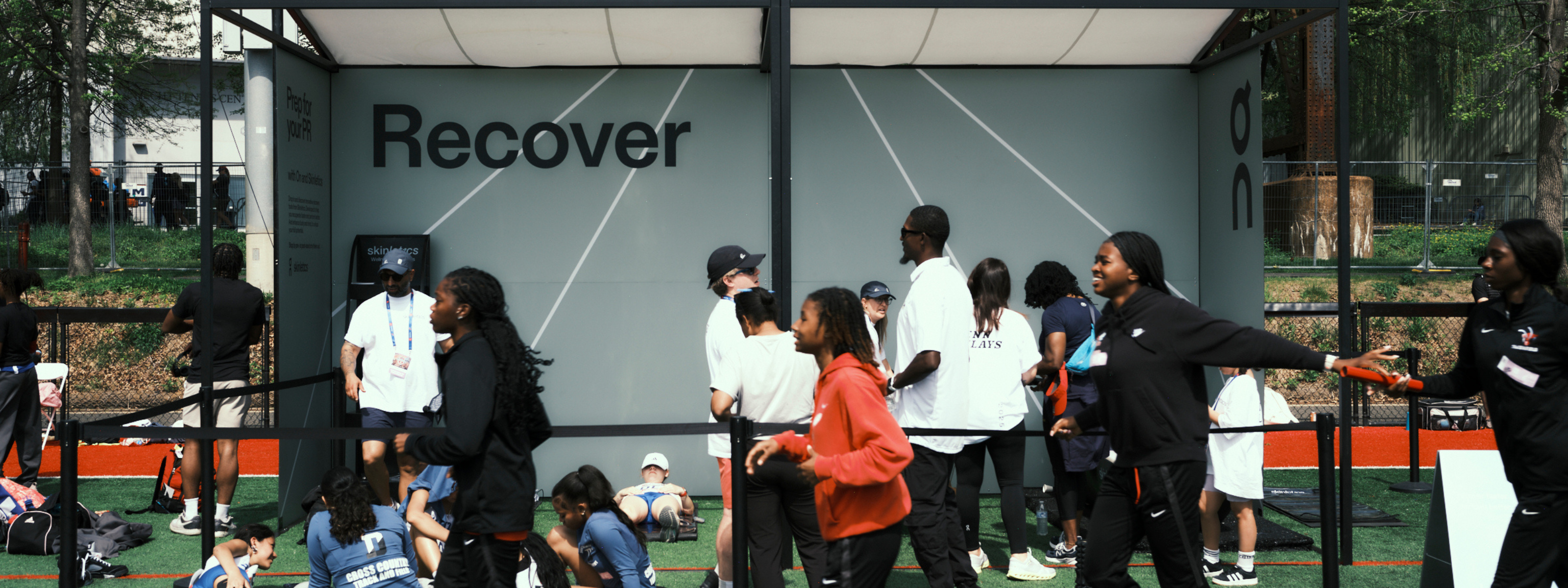
Why Recovery Is the New Performance: The Science Behind Resting Smart
Why Recovery Is the New Performance
We live in a culture obsessed with doing more. More reps, more miles, more hours. But the most overlooked performance tool isn't a new training method or a fancy supplement — it's recovery.
The best athletes in the world don't just train hard. They recover harder. And science is catching up to prove why.
Your Body Doesn't Get Stronger During Training
Here's something most people don't realize: you don't actually get stronger, faster, or fitter while you're working out. You get stronger after — during recovery.
When you exercise, you create microscopic damage in your muscle fibers. It's during rest that your body repairs this damage, rebuilding the tissue stronger than before. Skip recovery, and you skip the gains.
This is why two athletes with the same training schedule can have very different results. The one who recovers better, performs better.
The Hidden Cost of Under-Recovery
Pushing through fatigue might feel productive, but chronic under-recovery comes with a real price:
-
Increased risk of injury
-
Persistent muscle soreness
-
Declining performance despite more effort
-
Poor sleep quality
-
Weakened immune system
Sound familiar? These are signs your body is asking for more recovery — not more training.
What Smart Recovery Actually Looks Like
Recovery isn't just lying on the couch. Smart recovery is active and intentional. It includes:
Sleep
The most powerful recovery tool available — and it's free. During deep sleep, your body releases growth hormone, repairs tissue, and consolidates muscle memory. Aim for 7-9 hours.
Nutrition
Protein rebuilds muscle. Carbohydrates replenish glycogen stores. Anti-inflammatory foods reduce soreness. What you eat after training matters as much as the training itself.
Movement
Light movement — walking, stretching, yoga — increases blood flow to fatigued muscles without adding stress. This is called active recovery, and it works.
LED Light Therapy
One of the most exciting developments in recovery science is LED light therapy. Red and infrared light penetrates deep into muscle tissue, stimulating circulation and supporting the body's natural repair processes.
Used consistently, LED light therapy can help:
-
Relieve muscle tension and soreness
-
Support faster tissue recovery
-
Improve skin health and resilience
-
Reduce inflammation in overworked muscles
It's the kind of technology that used to be reserved for professional sports teams and elite clinics — now available for anyone serious about recovery.
Recovery Is a Competitive Advantage
Whether you're a weekend warrior, a competitive athlete, or someone who just wants to feel better in their body — prioritizing recovery is one of the smartest decisions you can make.
The athletes who last longest, perform most consistently, and stay injury-free aren't always the ones who train the hardest. They're the ones who recover the smartest.
Start Recovering Like a Pro
You don't need a full sports science team to recover well. You need the right tools and the right mindset.
Discover the Skinletics Light Therapy Pro Face Mask — and make recovery the most powerful part of your routine.