
Active Recovery vs. Passive Recovery: What’s the Difference — and Where Skinletics Fits In
Recovery is where progress actually happens. Training breaks the body down; recovery builds it back stronger. But not all recovery is the same. Understanding the difference between active recovery and passive recovery helps athletes choose the right tools at the right time.
What Is Passive Recovery?
Passive recovery refers to rest-based recovery methods that require little to no movement.
Examples include:
-
Sleep
-
Rest days
-
Ice or heat therapy
-
Compression garments
Passive recovery is essential, especially after intense sessions or competitions. However, it relies largely on the body’s natural healing speed.
What Is Active Recovery?
Active recovery involves low-intensity stimulation that enhances circulation and tissue repair without adding training load.
Examples include:
-
Light stretching
-
Mobility work
-
Walking or cycling
-
Red & infrared light therapy
Active recovery helps:
-
Increase blood flow
-
Reduce muscle stiffness
-
Accelerate nutrient delivery
-
Shorten recovery time
Where Skinletics Recovery Tools Come In
Skinletics is built for modern active recovery — tools that work with your body, not against it.
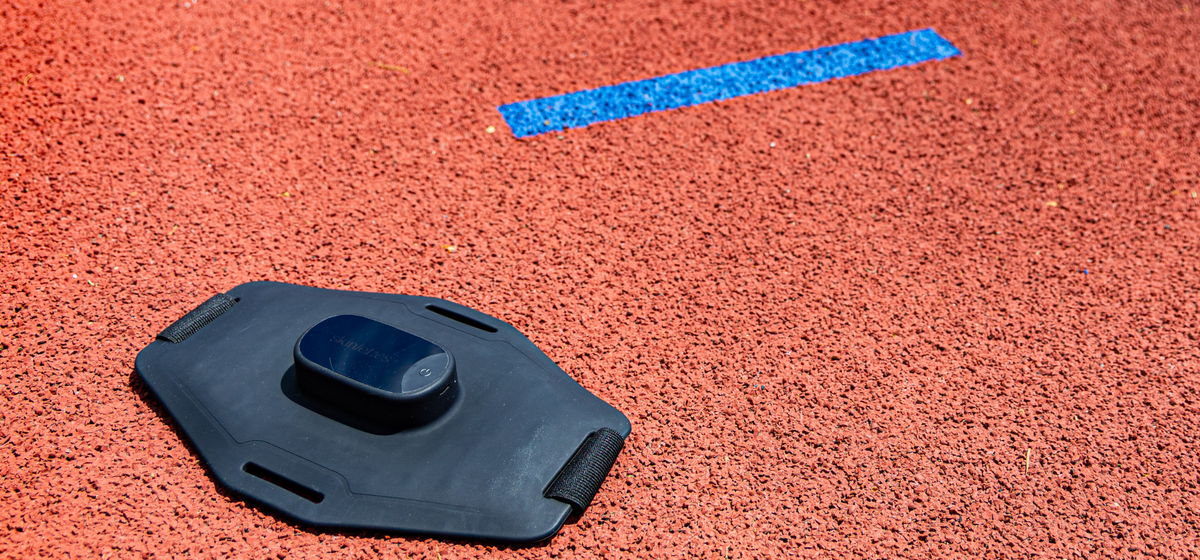
Skinletics LED Recovery Patch
The Skinletics LED Recovery Patch is designed for targeted active recovery.
Why it works:
-
Uses red + infrared LED light to penetrate deep into muscle tissue
-
Supports circulation and cellular energy (ATP production)
-
Helps reduce muscle soreness and stiffness
-
Ideal for knees, calves, hamstrings, shoulders, and lower back
Unlike passive methods that “wait it out,” the recovery patch actively stimulates recovery, even while you rest.
Skinletics LED Yoga Mat
Why it works:
- Combines red, near-infrared and blue LED light across the full 150 × 61 cm (59 × 24 in) surface
- Covers your whole body in one session, from shoulders and back to hamstrings and calves
- Supports circulation and cellular energy (ATP production)
- Fits into what you already do: stretching, yoga, mobility work or simply lying down after training
- Sessions take just 15 to 20 minutes, with a built-in timer
Where the Recovery Patch zooms in on one area, the Yoga Mat takes care of your whole body at once, turning your cool-down into an active recovery session.
Active + Passive Recovery = Better Results
The most effective recovery routine blends both:
-
Passive recovery for deep rest and nervous system reset
-
Active recovery for faster tissue repair and mobility
Skinletics bridges that gap — making recovery intentional, efficient, and athlete-driven.
Learn more about our Light Therapy Recovery Tools.


